
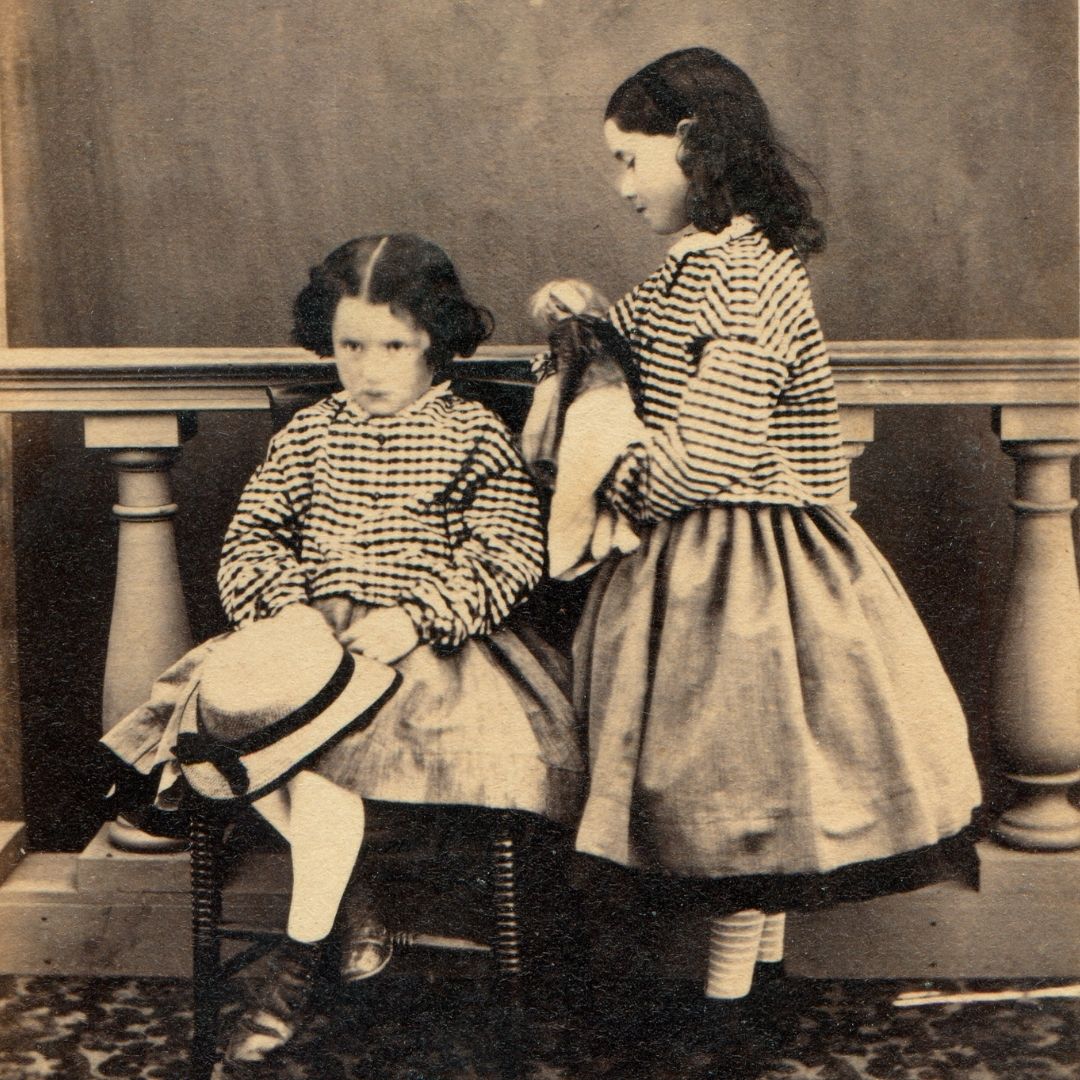
There is something undeniably charming about the Victorian era. It was a time of grand gestures, intricate lace, and names that carried a certain weight and dignity. Today, we are seeing a massive resurgence of these vintage choices, as parents move away from modern inventions and look back toward names that feel grounded and meaningful. Whether you are naming a new arrival or considering a change via deed poll, Victorian names offer a perfect blend of the familiar and the unique. These naming traditions are well documented in historical records of Victorian-era naming trends.
The Gentlemen – Strength and Heritage
Victorian boys’ names often lean into a sense of duty and history. Many, like Arthur, meaning ‘Bear’, carry the legendary weight of the Knights of the Round Table and remain a firm favourite for royal babies today. Similarly, Henry (‘Estate ruler’) and Louis (‘Renowned warrior’) offer a regal air that has never truly gone out of style.
If you prefer something with a more spiritual or ancient feel, the era was full of Biblical and Roman influences. Silas, which can mean ‘of the forest’, and Felix, a name associated with saints and popes, offer a softer but equally sophisticated sound. For those who appreciate a name with a story, Samuel and Reuben provide deep Hebrew roots, with Reuben literally translating to the joyful exclamation: ‘behold, a son.’
The Ladies – Elegance and Nobility
For girls, the Victorian palette was all about grace. Names like Ada and Ethel were incredibly popular in the late 1800s, both meaning ‘Nobility’. If you are looking for something that feels “blessed,” Beatrice was a favourite among the Victorian aristocracy, while Florence and Agnes (meaning ‘pure’) consistently topped the popularity charts across England and Wales.
We also see many timeless classics that have never really left us. Charlotte (‘Freeman’) and Isabella (‘pledged to God’) remain powerhouse choices, while short, punchy names like Jane, Ruth, and Nora are finding new life as modern parents rediscover their simple elegance. Even names like Edith, meaning ‘prosperous in war’, prove that Victorian girls’ names weren’t just pretty; they were strong.
Many of these names carry rich histories, and you can explore the deeper meaning of names through dedicated etymology resources.
Why Victorian Names Last
The beauty of choosing a name from this era is the balance it strikes. You get a name that feels “classic” without being “old-fashioned.” From the artistic connotations of Vincent to the luminous meaning of Helen (‘Light’), these names have survived over a century for a reason. They carry a legacy, a bit of character, and a story that is ready to be told all over again.
If you are considering a name change, understanding the Deed Poll process can help make your decision simple and stress-free.
For help changing your name via Deed Poll, contact DeedPoll.com on 020 8017 2216.


